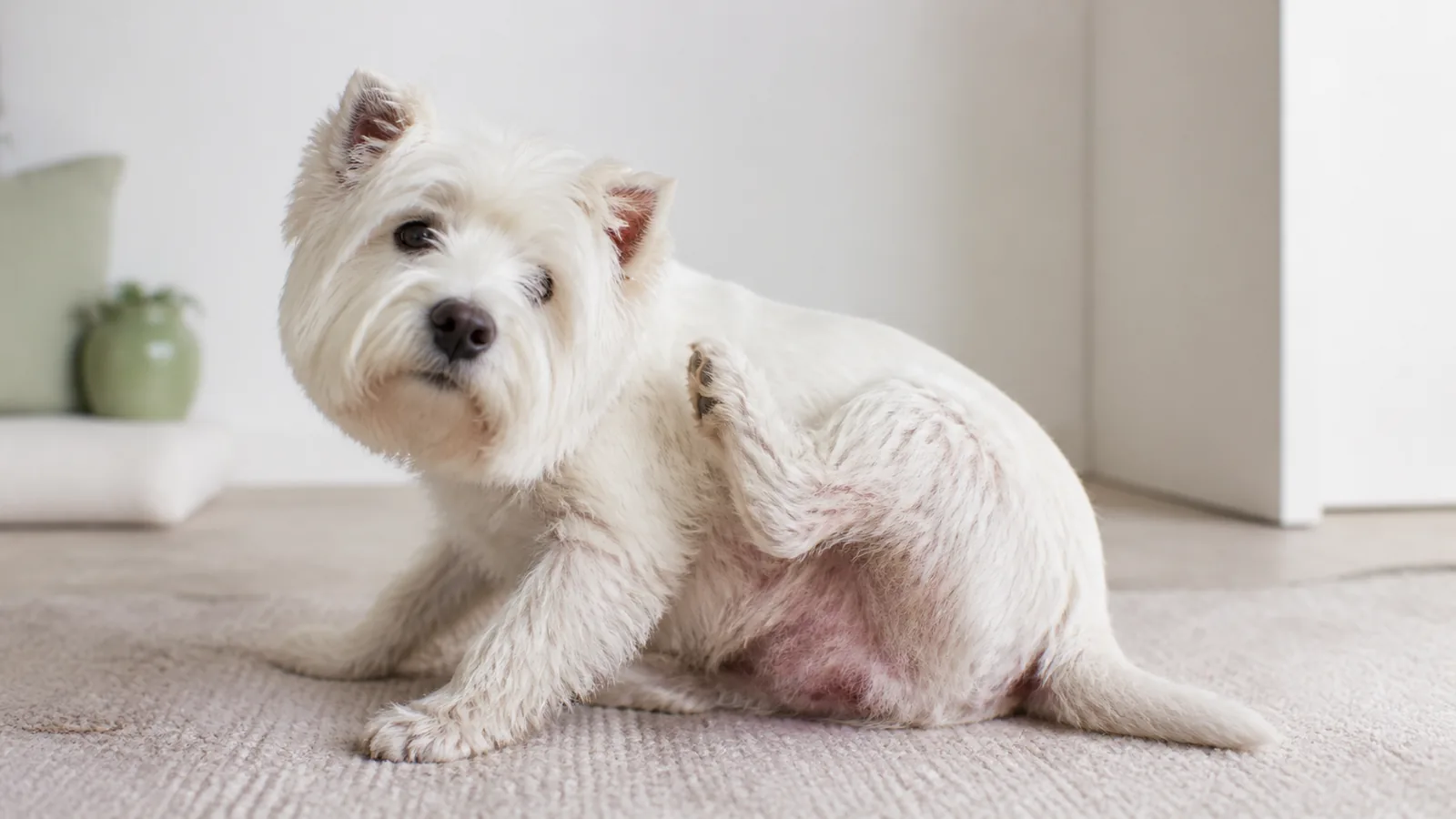
Before your pet starts an itch medication, the questions worth asking are what the drug is meant to treat, how fast it should work, whether it comes with bloodwork or rechecks, how much a year of it costs, and the plan if it only helps halfway. There is no single best itch medication for dogs and cats, because the right choice depends on what is driving the scratching, how severe it has become, and whether relief is needed for a few weeks or for years. The choices are also not the same for every species, since some of the newer drugs are approved for dogs only, and cats have their own set of options. Those answers matter more than which brand name ends up on the label, and the exam room is usually where you get them.
Woodland Springs Veterinary Hospital in Fort Worth can give you real answers to those questions rather than a label to decipher at home. The options for controlling the itch depend on the cause, so we'll dig into whether fleas, food, or environmental triggers like pollen or grass are at play. Our team hunts for secondary infections and underlying health conditions like hormonal disorders that might be contributing. Once we have diagnosed environmental allergies, we offer testing and immunotherapy, where the blood panel tells us which allergens belong in your pet's custom formula. Tolerance builds over months rather than days, so immunotherapy is usually paired with a drug that controls the itch in the meantime. We can also use acupuncture as support for chronic conditions like allergies. Bring your questions with you, and reach out to our AAHA-accredited hospital for an appointment to get your itchy pet comfortable again.
Itch Relief: The Short Version
- Itching always has a driver behind it, and identifying that driver comes before choosing any drug.
- For long-term control in dogs, newer targeted therapies have mostly taken over the job daily steroids used to do.
- Most allergic pets have more than one allergy at the same time, which is why a single medication so often falls short.
- Topical care, year-round parasite prevention, and nutrition are core parts of the plan rather than optional add-ons.
Why Is My Dog or Cat So Itchy in the First Place?
Nearly all allergic itching starts in one of three places: the air your pet breathes, the insects that bite them, or the food in their bowl, and plenty of pets are dealing with two at once. The scratching, licking, chewing, ear infections, and raw patches look about the same from the outside no matter which one is behind it, which is why testing beats guessing.
Do Pollen and Dust Really Cause This Much Scratching?
Atopic dermatitis is the most common allergic skin condition we see: an immune system treating ordinary pollen, dust mites, and mold spores as enemies worth a full-scale response. North Texas stacks the deck. Mountain cedar peaks in the dead of winter, oak and Bermuda grass take over spring, and ragweed carries the fall, so what gets called a seasonal problem here runs a lot closer to year-round. Dogs tend to show it in the feet, face, armpits, and ears. Cats are quieter about it, over-grooming a belly bald or building tiny scabs along the spine.
Why Can One Flea Bite Ruin a Whole Month?
One bite is enough to set off weeks of scratching in a pet with flea allergy dermatitis, a reaction to proteins in flea saliva rather than to the flea itself. The raw skin clusters over the rump and tail base long after the culprit is gone. Our mild winters never really knock the population back, so pressure stays high through December. In cats the reaction can surface as raised, inflamed sores called eosinophilic granuloma complex. Finding no live insects proves nothing, since an allergic pet grooms them off before anyone gets a look.
Could the Food Bowl Be the Problem?
A food allergy is an immune reaction to a specific ingredient, and despite everything grain-free packaging implies, the trigger is almost always a protein the pet has eaten happily for years. It can switch on at any age, which surprises families whose dog has been on the same kibble since puppyhood. Confirming one takes a strict diet trial rather than a blood or saliva panel, because those tests don't reliably identify food triggers. That means a single novel or hydrolyzed protein for weeks on end with nothing else slipping through: no treats, no table scraps, no flavored chews or pill pockets.
How Fast Does an Itchy Pet Need to Be Seen?
Itching is usually a this-week visit rather than a tonight one, and what separates the two is whether anything beyond the skin is involved. Facial swelling, hives spreading across the body, sudden vomiting, or collapse point to anaphylaxis, and that's a drop-everything drive to a veterinarian rather than a call first thing in the morning. Open-mouth breathing in a cat, labored or noisy breathing in a dog, and gums that look pale or gray all count as respiratory distress, which belongs in that same immediate category no matter how mild the skin looks.
| Situation | How fast to act |
| Facial swelling, spreading hives, vomiting during a reaction, collapse, or any breathing change | Immediately, whatever the hour. After we close, the nearest 24-hour emergency hospital |
| A hot spot that doubled overnight, a painful or foul-smelling ear, skin bleeding from chewing, a cat tearing fur out in patches | Same day |
| Steady scratching with skin still intact, a seasonal flare arriving on schedule, a medication that has quietly stopped working | This week |
We handle urgent and emergency care during our open hours, and if you can't tell which row your pet belongs in, call us. We'd much rather tell you to come in this afternoon, or send you straight to a 24-hour emergency hospital, than have you sit at home second-guessing it.
Why Do We Run Tests Before Reaching for a Prescription?
Medicating an itch before anyone knows what's causing it is the biggest reason allergy cases stall out or come roaring back. One pet can carry several problems stacked together: a thyroid disorder, mites, a skin infection, and an underlying allergy. Solve one, miss the rest, and you buy a few quiet weeks.
A few minutes with a sample under the microscope is often the fastest answer in the exam room, since skin cytology shows whether yeast, bacteria, or mites have taken hold on top of the allergy and are driving the current flare. Ear swabs get the same look, because a yeasty ear and a bacterial one are indistinguishable from the doorway and need different medication. Bloodwork screens for hormonal drivers that mimic or worsen skin disease, hypothyroidism in dogs being the classic example, where a dull coat and repeat infections show up long before anything else does. A structured elimination diet trial is still the only dependable way to confirm a food trigger.
Two look-alikes are worth ruling out early, because neither one is an allergy. Sarcoptic mange causes furious, sleep-wrecking itching, spreads between dogs, and can leave itchy bumps on the people in the house. Ringworm is a fungal infection that also passes to people and can imitate allergic skin disease closely enough to fool anyone from across the room. Both need a completely different plan than an itch drug, which is one more reason a skin scrape and a look under the microscope come before a prescription.
Our in-house lab work means most of those answers come back while you're still in the building instead of after a week of waiting on an outside laboratory.
Which Itch Medication Is Right for Your Pet?
The most durable results come from a layered plan rather than one hero drug. Which layers your pet needs depends on the diagnosis, the species, and whether you're putting out a fire that started yesterday or managing skin for the next decade.
| Option | How fast it works | Best used for | Species |
| JAK inhibitors | Within hours | Sudden flares and daily long-term control | Dogs, off label for cats |
| Antibody injection | About a day, lasts weeks | Long-term control with minimal organ strain | Dogs only |
| Cyclosporine | Four to six weeks to full effect | Steady long-term control | Dogs and cats |
| Antihistamines | Hours, modest and unpredictable | Mild itch, or an inexpensive add-on | Dogs and cats |
| Steroids | Fastest of the group | A short bridge or one miserable flare | Dogs and cats |
Targeted Tablets and the Every-Few-Weeks Injection
Oral JAK inhibitors switch off the signals that drive itch and inflammation within hours, which is why the same medication can settle a flare that started yesterday and carry a pet through years of daily control. Given every four to eight weeks, a monoclonal antibody injection like Cytopoint intercepts the main itch-signaling protein before the nerve ever hears from it, and because the body breaks it down like any other protein instead of routing it through the liver and kidneys, it suits older dogs and dogs already on other medications. It's labeled for dogs only. Neither one fits every patient, though for the households that have stopped sleeping through the night, they can be transformative.
Where Cyclosporine Fits
Cyclosporine dials down the immune response behind allergic skin disease, but it needs four to six weeks to reach full strength, so it's usually started alongside something faster acting and then left to carry the case on its own. It carries a feline label as well, which matters a great deal when the dog-only options are off the table.
Antihistamines and Steroids
Antihistamines block just one of the several chemicals that drive itching, so the benefit is modest and varies from pet to pet. They're cheap and reasonable to try for mild cases or as an add-on. Never give a human allergy product without checking with us first: many combination formulas contain decongestants like pseudoephedrine or phenylephrine that are dangerous for dogs and cats, and the dose on the box is meant for a person.
Nothing ends a severe flare faster than steroids, and the bottomless appetite, constant trips to the water bowl, and long-term strain on the body are exactly why they work best as a short bridge instead of the year-round plan. A few days of relief has a clear place. A few years of it usually doesn't.
Not every layer comes in a bottle. We also use laser therapy on hot spots and raw, chewed patches to calm the area and speed healing.
Can Bathing and Shampoo Really Move the Needle?
Topical therapy works right at the surface where the trouble lives, washing allergens out of the coat, clearing surface infection, and repairing the skin barrier, which often shrinks the amount of oral medication a pet needs. For some dogs it's the difference between two prescriptions and one.
- Contact time makes or breaks it: Medicated shampoo has to sit on the skin for about ten minutes before rinsing. Lather, then go pour a cup of coffee.
- Frequency: Once or twice a week during a flare, easing off as the skin settles down.
- Between baths: Sprays, mousses, and wipes handle feet and bellies after a lap around the yard, which is where pollen collects.
- Ears: Routine cleaning with the right solution keeps a mild yeast overgrowth from turning into a painful infection.
- The product has to match the pet: A drying benzoyl peroxide shampoo rescues a greasy, infected dog and makes a dry, flaky one considerably worse.
Which bottle belongs on which pet is worth a two-minute conversation, and our veterinarians would rather hand you the right one than watch you cycle through four from a store shelf.
What Keeps the Itch From Coming Back?
Long-term comfort comes from the pieces that work between flares: retraining the immune response, keeping fleas off the pet all twelve months, and supporting skin from the inside. Medication buys relief today. These are what keep next spring from looking exactly like this one.
Immunotherapy Is the Only Option That Changes the Immune System
Every other choice manages a symptom. Immunotherapy goes after the sensitivity itself, given as drops under the tongue or as a series of injections, and it's the closest thing to a real fix that allergic skin disease has. Allergy testing comes first so the formula matches the specific pollens and mites setting your pet off. Roughly two out of three dogs improve meaningfully, though the shift is gradual enough that families often notice it in hindsight.
Year-Round Flea Control Isn't Optional Here
Allergic skin reacts harder to a bite than normal skin does, so the prevention that's merely a good idea for most pets becomes non-negotiable for an itchy one. Fort Worth doesn't stay cold long enough to reset the population, and indoor-only cats are not exempt. Choosing the right flea and tick prevention comes down to species, weight, and what other animals live in the house.
Which Supplements Are Worth the Money?
Omega-3 supplementation is the one item on the supplement shelf with a real track record for calming itchy skin, though the effect depends on reaching a therapeutic dose rather than the trace amount tucked into a multi-ingredient allergy chew. Certain probiotic strains have decent evidence behind them too, especially in younger dogs. Purity and potency vary wildly between brands, so ask us which product and what dose fit your pet before you spend the money.
Itch Medication Questions Pet Families Ask Us Most
My dog has been on prednisone for years. Should we change something?
A dog on daily steroids for years is usually a good candidate for something safer, and the change has to be gradual rather than abrupt, because the body stops producing its own cortisol while a steroid is supplying it. The usual approach is to get a newer therapy working first, then taper the dose down while watching how the skin holds. Monitoring bloodwork along the way catches trouble early, and our wellness plans are built to keep that routine screening on the calendar.
What are the options for an itchy cat?
Cats have fewer labeled products than dogs, and they're far from out of luck. Steroids tend to be better tolerated in cats over the long haul, cyclosporine carries a feline label and works well for ongoing control, and some targeted therapies get used off-label with good results. Flea control and topical care also carry more weight than most families expect, since flea allergy is the most common driver of feline itching by a wide margin.
How long until the scratching stops, and what if it doesn't?
The timeline depends entirely on which treatment your pet is on. A targeted oral medication can quiet things within a day, an injection takes about that long, and cyclosporine or immunotherapy builds over weeks to months, so slow progress there isn't a failure. When a plan truly stalls, more medication is rarely the answer. It usually means something in the diagnosis got missed, most often a secondary infection or a flea exposure nobody caught, and a recheck is what finds it.
Building an Itch Plan That Holds Up Season After Season
Scratching that has taken over the household, or a plan that used to work and suddenly doesn't, deserves a conversation instead of another month of waiting it out. Skin that keeps flaring is telling you something about the diagnosis, not just the dose.
A veterinarian who has watched your pet through a full year of cedar, grass, and ragweed knows what to change and what to leave alone. Woodland Springs Veterinary Hospital in Fort Worth would be glad to take this on with you, so schedule a visit and let's get your pet resting comfortably again.