A confident, relaxed adult dog or cat is mostly made, not born: many of the fear and anxiety problems veterinarians treat trace back to a brief window early in life when the brain decides what counts as safe. That window runs roughly from three to fourteen weeks of age in puppies and closes even sooner in kittens, and every person, sound, surface, and gentle handling exercise a young pet meets during it gets filed under normal. When those weeks pass with little exposure, or with frightening experiences, the gaps tend to resurface later as the dog who panics at the groomer or the cat who hides for days after the doorbell rings. Intentional socialization paired with reward-based early training will not guarantee a bombproof pet, but it stacks the odds toward calm more than anything else you can do. Pets who missed the window can still make real progress at a slower pace.
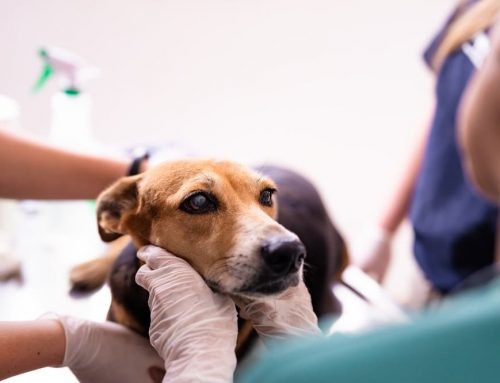
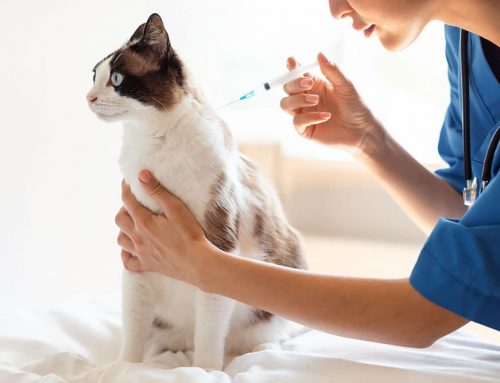
Gentle, fear-reducing handling shapes every AAHA-accredited appointment at Woodland Springs Veterinary Hospital, because a vet visit is one of the first unfamiliar experiences a young pet has, and we want it filed in the safe column. During puppy and kitten wellness visits in Fort Worth, we pair each exam, vaccine, and parasite check with practical guidance on socialization and early training matched to your pet’s age and temperament. If a new puppy or kitten has just joined your family, schedule a visit in those first weeks, when the window is wide open and small efforts pay off for a lifetime.
Calm Starts in the First Weeks
- The early sensitive window is short: wide open in the first weeks of life and closing sooner in kittens than in puppies, and what happens during it sets your pet’s baseline for calm.
- Good socialization means small, positive, controlled introductions to people, animals, sounds, surfaces, and handling, never flooding your pet with more than they can take.
- How you train matters as much as what you train: reward-based methods build trust and calm, while fear-based corrections tend to backfire and make anxiety worse.
- Any sudden change in behavior deserves a veterinary exam first, since pain, illness, and sensory decline can all masquerade as a new anxiety problem.
Why Does the Early Socialization Window Matter So Much?
During a brief sensitive period, a young brain decides what counts as normal and safe. The socialization window opens early and closes fast, and the experiences a pet collects during it shape how they read the world for the rest of their life.
What makes this window different from every stage that follows is how the brain is working inside it. A puppy or kitten’s brain is wiring itself at a pace it will never repeat, building connections with every new sound, surface, person, and animal it meets. During these weeks, unfamiliar things get filed as ordinary almost by default: the vacuum is furniture, the toddler is family, the car is just a loud room that moves. Meet those same things for the first time after the window closes, and the brain’s starting assumption flips from “probably fine” to “possibly dangerous.” That is why an adult dog encountering something brand new tends to need weeks of careful work to accept what an eight-week-old puppy would have absorbed in an afternoon.
The window cuts both ways, though, and that is the part worth respecting. The same fast-recording brain that files good experiences as normal files frightening ones just as permanently, and a single overwhelming moment, like being knocked over at a chaotic dog park or cornered by an off-leash dog, can leave a fear that outlasts hundreds of pleasant outings. One bad exposure is not destiny, but it is sticky, and undoing it takes far longer than preventing it would have. The goal during these weeks is not to pile on as many experiences as possible; it is to make sure the ones that happen land gently, which is exactly what the rest of this plan is built around.
What Does Good Socialization Actually Look Like?
Good socialization means positive, controlled introductions at your pet’s pace, not cramming in as much as possible. Each new thing should stay fun, paired with treats and the freedom to retreat, so your pet files the whole experience under safe.
Aim to cover the categories a young animal will meet for life:
- People: Different ages, sizes, skin colors, voices, hats, and walking styles, always letting your pet choose to approach.
- Animals: Calm, healthy, vaccinated dogs and cats for gentle, supervised play.
- Surfaces and sounds: Tile, carpet, grass, metal, stairs, plus the vacuum, doorbell, and traffic at low volume.
- Handling: Daily touching of paws, ears, mouth, and tail so exams and nail trims feel routine.
- Vet-style moments: Being held still, standing on a table, and a peek in the ears and mouth, all rewarded.
Kittens deserve special mention, because their window can close before they’ve even finished your kitten’s vaccination schedule. Most of that early work has to happen safely at home: gentle daily handling, household sounds played softly, and short, cozy sessions in an open carrier.

How Can You Socialize a Puppy or Kitten Safely?
Safe socialization pairs new experiences with good things in settings you control, so your pet gains confidence without a scare or an infection.
- Puppy classes during the shot series: Well-run classes are one of the best investments you can make, and many behavior professionals encourage starting before the shots are finished because the sensitive window won’t wait. Good classes screen every pup for age-appropriate protection and disinfect between sessions, since parvovirus can survive in soil for up to a year.
- Safe outings: Carry your puppy or put them in a cart, and head out to pet-friendly stores, restaurants, and parks. Skip dog parks, sidewalks, and pet-store floors, and any floor or ground where a dog with unknown health history has been: these are the wrong place for an under-vaccinated puppy.
- Carriers and leashes: Both tools cause a surprising amount of lifelong stress when they show up cold. For cats, carrier training works best when the carrier lives out as a cozy piece of everyday furniture stocked with treats, so a cat chooses to climb in long before a vet visit is on the calendar. For puppies, clip the leash on during meals and play so it predicts good things, reward every step taken with slack in the line, and stop moving whenever it pulls tight.
- Wheeled, unpredictable things: A puppy who watches bikes, skateboards, strollers, and wheelchairs roll past from a comfortable distance, earning a treat each time, grows into a dog who barely lifts their head at them. Kittens benefit too, from the vacuum to the wheeled suitcase. Let calm curiosity, not startle, set the pace.
Keeping your puppy current on core vaccines steadily widens where they can explore, but be cautious. In general, wait until at least two weeks after the last set of vaccinations before allowing them on ground where unknown dogs have been. Puppy classes with strict cleaning protocols are the exception to this rule.
Why Does Your Training Approach Shape Anxiety?
Your training method shapes anxiety because it teaches your pet what kind of world they live in: one where good things are earned and predictable, or one where scary events happen without warning. A young animal who learns that people are safe and fair carries that expectation into the groomer, the exam room, and every stranger’s outstretched hand.
Does Positive Reinforcement Really Work Better?
Positive training rewards the behavior you want and builds a pet that trusts you, while methods built on fear or pain tend to raise anxiety and teach an animal to hide the very warning signals you need to see. A dog taught to sit for a treat offers it eagerly, tail going; one taught with a leash jerk may comply while bracing for the next correction, and that low-grade dread is exactly the anxiety early training is meant to prevent.
How Much Does Routine Matter?
Predictable routines are quietly one of your most powerful calming tools, especially for cats, who read a steady rhythm of meals, play, and rest as proof the world is safe. When feeding and attention land at wildly different times each day, many felines respond with hiding, over-grooming, or litter-box trouble. Life does disrupt the schedule, from a move to a new baby, so keep the anchors steady. When a trip takes you away from home, boarding your pet with us keeps meals, rest, and play on a familiar schedule rather than leaving a nervous pet to improvise.
Can Training at Home Make Vet Visits and Grooming Easier?
Training at home is the single biggest thing that changes how a vet visit or grooming session goes. Cooperative care teaches a pet to take an active part in their own handling, resting a chin on a towel for an ear check or offering a paw for a nail trim, and that home practice turns exam-room wrestling matches into calm, quick visits.
You can start today with a lick mat and a handful of treats: touch an ear, treat; hold a paw, treat; peek at the teeth, treat. A little every day turns handling into a game with a payout rather than an ambush. That groundwork pays off at every appointment, from vaccines to dental cleanings, where a pet who calmly accepts a lifted lip makes the whole visit safer, faster, and gentler for everyone in the room.
How Do You Read a Dog or Cat’s Stress Signals?
Pets are honest about stress if you know what to watch. Lip licking, yawning, a turned head, and the half-moon of white at the corner of the eye are all early stress signals that appear long before a growl.
Fear tends to climb a predictable ladder: a lick or a look, then stiffening and turning away, then a hiss or low grumble, and only then teeth. Scold the early rungs and you don’t remove the worry, you just delete the polite warnings, leaving a pet who seems to snap out of nowhere. The kinder, more effective move is to add distance from whatever is bothering your pet, then rebuild the good association slowly.
Reading body language helps you tell confidence from worry before it boils over.
| What to watch | Relaxed and confident | Anxious or fearful |
| Body | Loose, wiggly, weight balanced | Crouched, tense, leaning away |
| Tail | Neutral or gently wagging | Tucked low or stiffly still |
| Face | Soft eyes, natural ears | Pinned ears, whale eye, lip licking |
| Choices | Approaches and explores | Hides, freezes, or bolts |
Which Anxiety Behaviors Can Early Training Head Off?
Most anxiety problems we treat in adults, from reactivity to separation distress, trace back to gaps in early life, and each one has an early intervention that heads it off far more gently than treatment can later.
- Reactivity: The lunging and barking that looks like aggression is almost always fear in a loud costume, and engage-disengage training rebuilds confidence by rewarding a dog for noticing a trigger and calmly checking back with you instead of erupting.
- Resource guarding: Skip the old advice to reach into a puppy’s bowl and take their food, which manufactures the very guarding it promises to prevent, and use the trade game instead, offering a tasty swap so an approaching hand always adds something better.
- Separation anxiety: Separation anxiety turns every departure into a panic of pacing and howling, and the surest prevention is teaching a puppy or kitten from the start that short, gradually lengthening stretches alone are normal and safe, helped along by a food puzzle and low-key comings and goings.
- Noise fears: Noise aversion runs from a nervous ear-flick at the vacuum to full thunderstorm panic, and Fort Worth’s spring storm season arrives every year whether or not your pet is ready for it. Early, gradual exposure to everyday sounds while your pet eats or plays, paired with a calm rather than frantic response, keeps mild wariness from hardening into terror.
- Multi-pet tension: Most multi-pet tension is really a quiet competition over resources, so spread abundance across the home, one litter box per cat plus one extra, separate feeding stations, and plenty of perches and hideaways, and introduce new pairings slowly through scent before they ever meet face to face.
How Does Enrichment Lower Anxiety?
Enrichment lowers anxiety by giving instincts a healthy job to do, because a bored brain invents its own entertainment, and rarely the kind you want. A dog with nothing to chase or sniff finds the couch cushions; a cat with nothing to hunt or climb turns on the curtains.
- Cat enrichment built from daily play, vertical perches, and quiet retreats prevents the over-grooming and furniture destruction that boredom breeds. Food puzzles, bird feeders at windows, scent work, and DIY enrichment toys regularly rotated for novelty keep most cats happy.
- Dog enrichment needs the same principle aimed at the nose and body: sniff walks that let them read the neighborhood at their own pace, food puzzles that make dinner a project, and appropriate chews for the urge to gnaw. Snuffle mats, scent games, and hide-and-seek are low-cost, easy ways to keep their brain busy.
None of it has to be expensive, since a muffin tin with treats tucked under tennis balls or kibble scattered in a cardboard box works beautifully. For pets who need extra help, calming aids like pheromone diffusers and vet-recommended supplements can take the edge off while the training does its work, and we offer acupuncture as another calming option; ask our team at your next visit what suits your pet.
When Should a Behavior Change Send You to the Vet?
Any sudden change in behavior deserves a medical exam before you assume it’s anxiety, because pain, illness, and aging can all look like a new fear or a shorter fuse. A dog who suddenly guards their food may have dental pain; a cat who stops using the box may have a urinary problem, not a grudge.
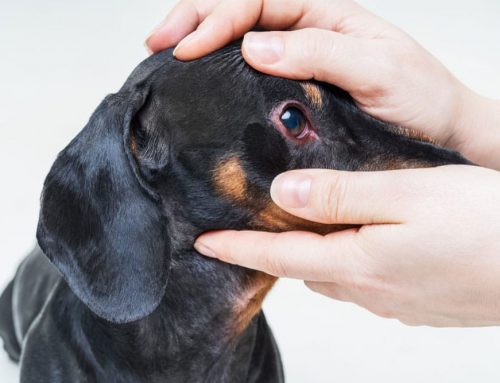
In-house lab work and imaging let us check for pain, thyroid and other hormonal shifts, neurological changes, and the vision or hearing loss that unsettles many older pets, so we can rule out a medical driver before building a behavior plan. Sometimes the real fix is medical rather than behavioral.
Frequently Asked Questions About Socialization and Early Training
Is It Too Late to Socialize an Adult Dog or Cat?
It’s never too late to help an adult pet feel safer, though the pace is slower and the goal shifts from prevention to management. Adult brains are less spongy than a puppy’s, so change comes through patient, repeated, positive exposure at a distance your pet can handle. Many anxious adults make real, life-changing progress; some also benefit from a formal behavior plan and, occasionally, medication. Expect steady gains rather than an overnight transformation.
How Many New Things Should I Introduce Each Day?
Quality beats quantity every time. A useful rule of thumb is a few positive new experiences a day, each one calm and paired with treats, rather than a marathon of overwhelming outings. Let your pet’s body language guide you: loose and curious means keep going, while tense or hiding means you’ve gone too far, too fast.
Will Comforting My Scared Pet Make the Fear Worse?
This is one of the most common worries, and the answer is reassuring: you can’t reinforce an emotion like fear the way you reinforce a trick. Petting or softly talking to a frightened dog or cat doesn’t teach them to be more afraid. What helps most is managing your own reaction, since pets read our tension and borrow it. Stay calm, add distance from the scary thing, and offer quiet comfort or a favorite treat. If fear is frequent or severe, let us take a look.
Giving Your Pet a Head Start on a Calmer Life
Gentle socialization and reward-based training in these first weeks pay off in easier vet visits, calmer travel, smoother grooming, and a pet who meets new things with curiosity instead of dread. That confidence is far harder to build later, once a fear has had years to settle in. If a puppy or kitten has just joined your family here in Fort Worth, schedule their first visit at Woodland Springs Veterinary Hospital soon, and we’ll help you plan the introductions and training that matter most for your pet.