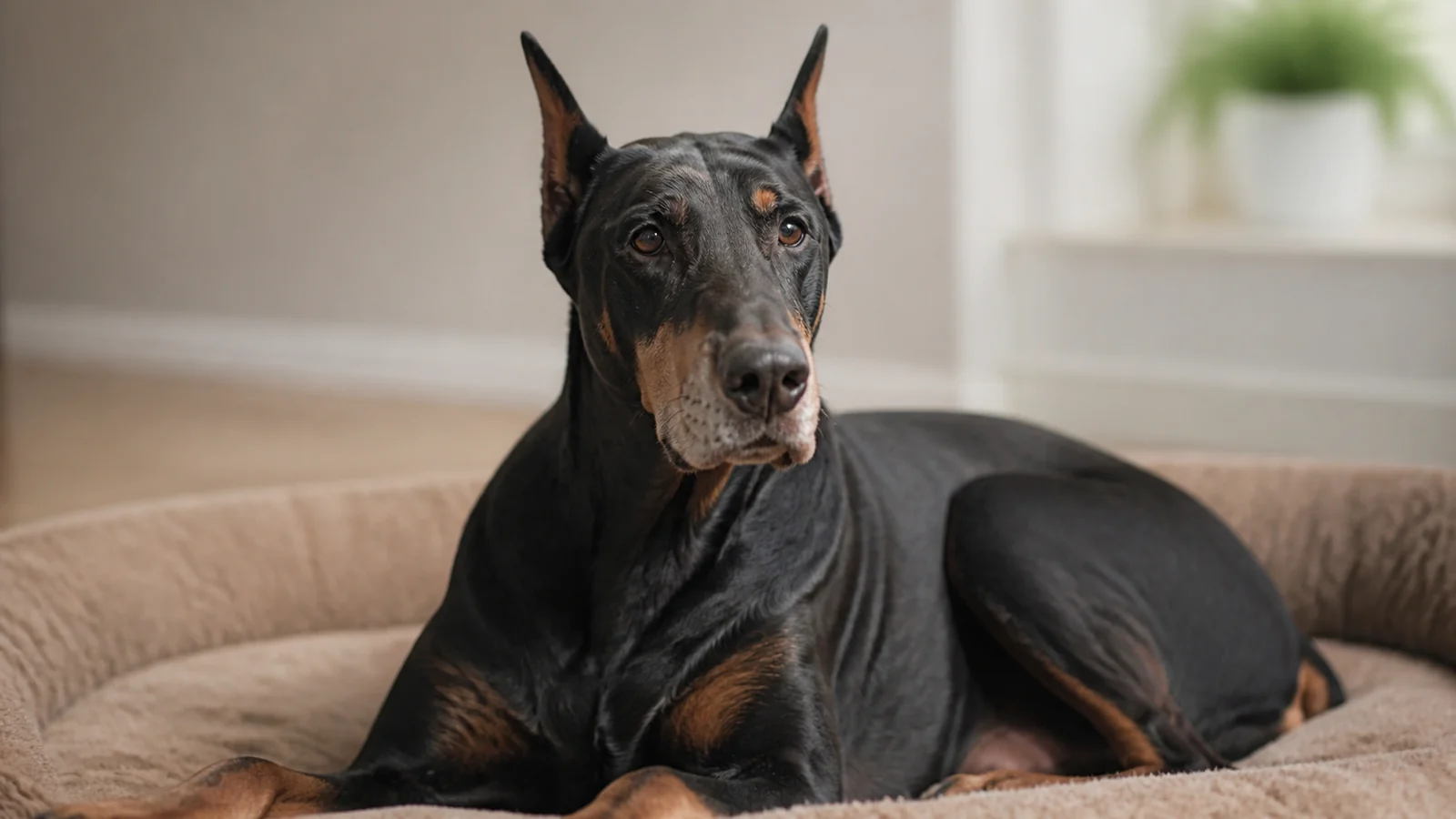
If your senior dog or cat seems completely fine, that is the best time to run screening tests, not a reason to skip them. A physical exam finds a great deal, including heart murmurs, sore joints, dental disease, and new lumps, but organ function, thyroid levels, and blood pressure are numbers someone has to measure, and imaging is the only way to see inside the chest and abdomen. Chronic kidney disease is often well along before a pet acts sick, and high blood pressure does its damage silently. Lab work, urinalysis, a blood pressure reading, heartworm and tick-borne disease testing, ultrasound, and X-rays each allow us to catch different diseases that can start off with no obvious symptoms. Annual wellness bloodwork while your pet is young and healthy forms the foundation of what's normal for them, turning a small change we find as a senior into a trend that has real meaning.
Woodland Springs Veterinary Hospital, an AAHA-accredited practice in Fort Worth, builds wellness plans around your pet's age and breed, choosing testing that's personalized to your pet's risk factors to create individualized plans that come with easy monthly payments. Our team is dedicated to providing exceptional medicine and keeping each pet's family informed and involved at every step, making sure you understand the "why" behind every recommendation. When screening points to arthritis or another source of chronic pain, acupuncture and laser therapy give us ways to keep an older dog or cat comfortable and moving. Reach out to schedule a senior screening and we'll map out the right path forward together.
Senior Screening: What Counts
- Most dogs and cats cross into their senior years around age seven, though giant breeds get there closer to five and many cats hold onto their youth a little longer.
- An exam finds lumps, murmurs, and sore joints, while blood pressure, organ values, and thyroid levels show up only in the numbers.
- Comparing this year's results against last year's is what turns a still-normal value into an early warning.
- Most of what screening turns up in older pets is manageable, and the earlier it shows up, the more choices stay open.
Which Senior Pets Need Screening the Soonest?
Size and species set the clock. Giant breeds such as Great Danes and Newfoundlands are seniors by five or six, larger dogs around seven, and small dogs and most cats closer to nine or ten. Cats and stoic working breeds also hide illness well, which moves them up the list rather than down it.
Some of what you're noticing really is age. But the changes families most often wave off, such as drinking a bit more water, a stiffer start on cold mornings, or half a pound gone from a ten-pound cat, sit right in the overlap between ordinary aging and a treatable disease. Breed history nudges the plan too: Boxers and Golden Retrievers carry more cancer risk, Cavalier King Charles Spaniels and small terriers carry valve disease, Maine Coons and Ragdolls carry heart muscle disease, and Persians carry kidney disease.
Isn't One Checkup a Year Enough for an Older Pet?
One visit a year isn't enough for most older pets, because a year is a long stretch inside an aging body. Preventive testing matters because an organ can lose a large share of its function before a pet ever looks or acts sick, so the schedule has to follow age rather than symptoms.
Two visits a year close that gap. Six months for a twelve-year-old cat is roughly two years of aging in human terms, and plenty can change in two years. Seeing your dog in spring and again in fall also gives us two weights, two sets of numbers, and two chances to spot trends while changes are small. Our wellness plans build that testing into the year so it doesn't get skipped by accident.
A result sitting inside the reference range can still be a warning. Kidney values that creep from the low end to the high end across three years read as normal every single time, but the direction is the whole story.
What Does a Full Senior Screening Include?
Senior pet care recommendations center on twice-yearly exams paired with a defined set of tests, repeated on the same schedule year after year. In practice, that means a nose-to-tail exam, blood work, a urine sample, a blood pressure reading, and imaging when the exam or the lab results point that way.
Not every pet needs every piece every time. A nine-year-old Labrador on no medications and a fourteen-year-old cat with a heart murmur get different plans, and yours should reflect your pet's breed, medications, and history. Woodland Springs Veterinary Hospital is AAHA accredited, so the protocols behind those choices are measured against national standards with real scientific evidence, not just testing for the sake of testing.
What Can Blood Work Find Before My Pet Acts Sick?
Blood work reports on the systems an exam can't reach. A single sample covers red and white cells, kidney and liver function, blood sugar, electrolytes, thyroid hormone, and infection status, and most of those shift measurably months before your dog or cat behaves any differently.
| Test | What it tracks | What shows up early |
| CBC | The blood cells themselves | Anemia, brewing infection, inflammation, several blood cancers |
| Chemistry panel | Organ function, blood sugar, protein, electrolytes | Kidney and liver disease, diabetes, adrenal disease clues |
| Thyroid testing | Hormone output | The low thyroid of senior dogs and the high one of senior cats |
| Heartworm and tick-borne testing | Parasite antigen and exposure antibodies | Heartworm along with Lyme, ehrlichiosis, and anaplasmosis |
Heartworm and tick-borne testing stays on the list year after year, because North Texas mosquitoes and ticks don't care how old your dog is. The trends we see when comparing lab work against previous panels are what bring the real value. A creatinine of 1.6 means one thing in a cat who has always run 1.5, and something entirely different in a cat who ran 0.9 last spring. We run diagnostic blood panels personalized to your pet's risk factors, so the conversation about what it means happens with your pet's history in front of us.
Why Does an Older Pet Need a Blood Pressure Check?
High blood pressure gives no outward sign at all. Hypertension injures the eyes, kidneys, heart, and brain long before a pet looks any different, and in dogs and cats it usually rides along with another disease such as failing kidneys or an overactive thyroid.
The reading itself is easy: a little cuff around a front leg or the tail base, a sensor listening for the pulse, and a few quiet minutes, often with your cat still sitting in the bottom half of their carrier. Nerves push numbers up, so one high result isn't a diagnosis. Our veterinarians and technicians take a series of readings, work from the average, and confirm on a separate day if needed before starting any medication.
When the pressure is truly elevated, treatment moves along two tracks at once, with medication lowering the number while a workup hunts for whatever pushed it up. The outcome we're working hardest to prevent is sudden blindness from bleeding behind the retina, which in cats is sometimes the very first sign anyone notices.
What Does a Urine Sample Show That Blood Work Misses?
A urine sample answers questions blood cannot. Urinalysis picks up urine that has stopped concentrating properly and protein slipping through the kidney's filters, often while every value on the blood panel still reads normal.
That one sample reports on more than filtration, too. Glucose spilling into the urine points toward diabetes. White cells and bacteria point toward a bladder infection, which senior cats and diabetic dogs can carry without a single strained trip to the litter box. Crystals hint at stone formation, and blood too faint to see with the eye can be the first clue of a stone or a bladder tumor.
Paired with the blood panel, the picture sharpens fast. Kidney values at the top of the normal range mean little on their own, but sitting next to dilute urine they tell a much clearer story.
When Do X-Rays and Ultrasound Get Added to the Plan?
Imaging enters when the exam or the numbers raise a question, or for screening for certain at-risk breeds. X-rays are often recommended for pets with heart disease or for breeds that commonly develop heart conditions. Ultrasound is often recommended for senior cats who are vomiting, or senior dogs at risk for certain tumors like masses on the spleen. Catching a tumor on the spleen early can be the difference between a planned surgery or a 2 a.m. visit to the ER for emergency surgery and a blood transfusion.
| Tool | Shows best | Reached for when |
| Radiographs | Bone, joints, organ outlines, the chest as a whole | A cough, a murmur, stiffness, weight loss, or a first senior baseline |
| Ultrasound | The inside architecture of organs, fluid, masses, bladder wall, adrenal glands | Lab values point at one organ, or an X-ray finding needs a closer look |
We have digital radiography and ultrasound on site, so both can happen in one visit when the picture calls for it. Neither test hurts. Most pets lie on a padded table with a gentle hand on them and no sedation at all, though a wiggly patient or a painful hip sometimes does better with a light sedative.
How Do We Screen a Heart That Still Sounds Normal?
A murmur is the classic trigger, but a lot of senior heart disease stays silent at first, especially in cats, where many with heart muscle disease never develop an audible murmur. That's why cardiac screening leans on more than a stethoscope:
- Chest radiographs: these show heart size and shape, and whether fluid has begun backing up into the lungs.
- NT-proBNP blood test: this measures a hormone the heart releases when its walls are stretched, which helps sort a harmless murmur from one worth chasing.
- ECG: this records the electrical rhythm and identifies irregular beats that a stethoscope can only hint at.
- Echocardiogram: this ultrasound of the beating heart measures chamber size, valve motion, and pumping strength in real time, and most pets sit through one awake. Echocardiograms happen with a veterinary cardiologist, and we’ll refer you to a specialist we trust.
Coughing that won't settle, breathing that looks like effort, or a cat who suddenly can't get comfortable shouldn't wait for the next scheduled recheck. We see urgent cases during our open hours and want to see your pet right away if they’re showing signs of heart disease.
Which Conditions Does Senior Screening Catch Most Often?
A short list of diseases accounts for most of what turns up in older dogs and cats, and nearly all of them begin quietly, with more options open when the diagnosis comes early:
- Thyroid disease: In dogs, hypothyroidism slows the whole metabolism down, so weight climbs on the same food, the coat thins, and energy drops, all of which reads as ordinary aging until a blood test says otherwise. In cats, hyperthyroidism runs the metabolism too high, burning through weight despite a bigger appetite and dragging the heart and blood pressure up with it. Both are treatable.
- Kidney and liver disease: Chronic kidney disease is the most common diagnosis in senior cats and a frequent one in older dogs, and the familiar signs of drinking and urinating more only surface after roughly two-thirds of function is already gone. Rising liver enzymes on an otherwise unremarkable panel are one of the most common surprises in senior testing, and they show up long before yellow gums, a swollen belly, or a fading appetite. Both are managed with a therapeutic diet, targeted medication, and rechecks that catch the next shift before it becomes a crisis.
- Heart disease: Small dogs most often develop mitral valve disease, large breeds such as Dobermans and Great Danes lean toward dilated cardiomyopathy, and cats overwhelmingly get hypertrophic cardiomyopathy. Starting medication once the heart has enlarged but before failure begins can buy many extra months or even years of normal life, which is the entire argument for looking early.
- Cancer: The types of cancer that show up in older pets run from slow-growing skin masses that come off in a single afternoon to aggressive internal tumors whose first sign is an enlarged spleen on an X-ray. Lumps get sampled with a fine needle aspirate, a quick draw that rarely needs sedation, and plenty of them turn out to be nothing. Watch for masses that grow or change, sores that won't heal, and lameness that doesn't match the activity.
- Arthritis and joint pain: Dogs limp and lag on walks; cats mostly stop jumping to the counter, which is easy to read as an old cat rather than a sore one. Our therapy laser treatments calm inflammation in a sore hip or elbow without adding another pill. Many older patients also respond well to acupuncture sessions, which layer easily with everything else. Monthly injections like Librela for dogs, and Solensia for cats, block the nerve signal that carries arthritis pain.
- Dental disease: Dental care matters far beyond the mouth in an older pet, because the bacteria thriving under an inflamed gumline seed into the bloodstream and strain a heart, liver, and kidneys already working harder with age. Our professional dental cleanings happen under anesthesia, the only way to clean below the gumline and take dental X-rays, where most of the trouble is hiding.
Whatever screening turns up, we build the plan around the diagnosis and a conversation with you.
Senior Testing: The Questions We Hear Most
My pet acts normal. Do they really need all this testing?
Yes. Because pets hide symptoms so well, often the first hint of anything wrong is a blood value out of range or a heart murmur heard on a physical exam. Catching disease early is the whole point, and finding problems early means that diseases have more treatment options and are less expensive to treat.
My cat falls apart in the car. Is screening still worth the stress?
For most senior cats it is, and the visit is usually shorter than the dread leading up to it. Leaving the carrier out at home for a week, spraying a towel with a feline pheromone product, and covering the carrier on the drive all take the edge off, and a pre-visit anti-anxiety medication is something we can send home ahead of time. We keep handling slow and quiet, and blood, urine, and a blood pressure reading can all be gathered in one sitting.
What happens if a result comes back abnormal?
Most abnormal values are small ones that get watched rather than treated. A single number just outside the range often needs nothing more than a recheck to see whether it's drifting or holding steady. When a result does point somewhere specific, the next move is usually one focused test, not a cascade of them. We'll tell you plainly what we'd do if this were our own dog or cat, and nothing gets decided without you in the room.
Planning Your Senior Pet's Next Screening
The hardest part of loving an older dog or cat is the not knowing: whether the slowing down is just years piling up, or something you could have caught. Screening exists to take that guesswork off your shoulders, and it brings back better news far more often than families expect.
Woodland Springs Veterinary Hospital has looked after a lot of Fort Worth seniors, and we'd much rather have this conversation now, while there's room to make real choices, than after something announces itself. Book your pet's senior screening whenever you're ready, and bring your questions along.